Understanding Myomectomy and Its Cost: An Expert Guide from DrSeckin.com
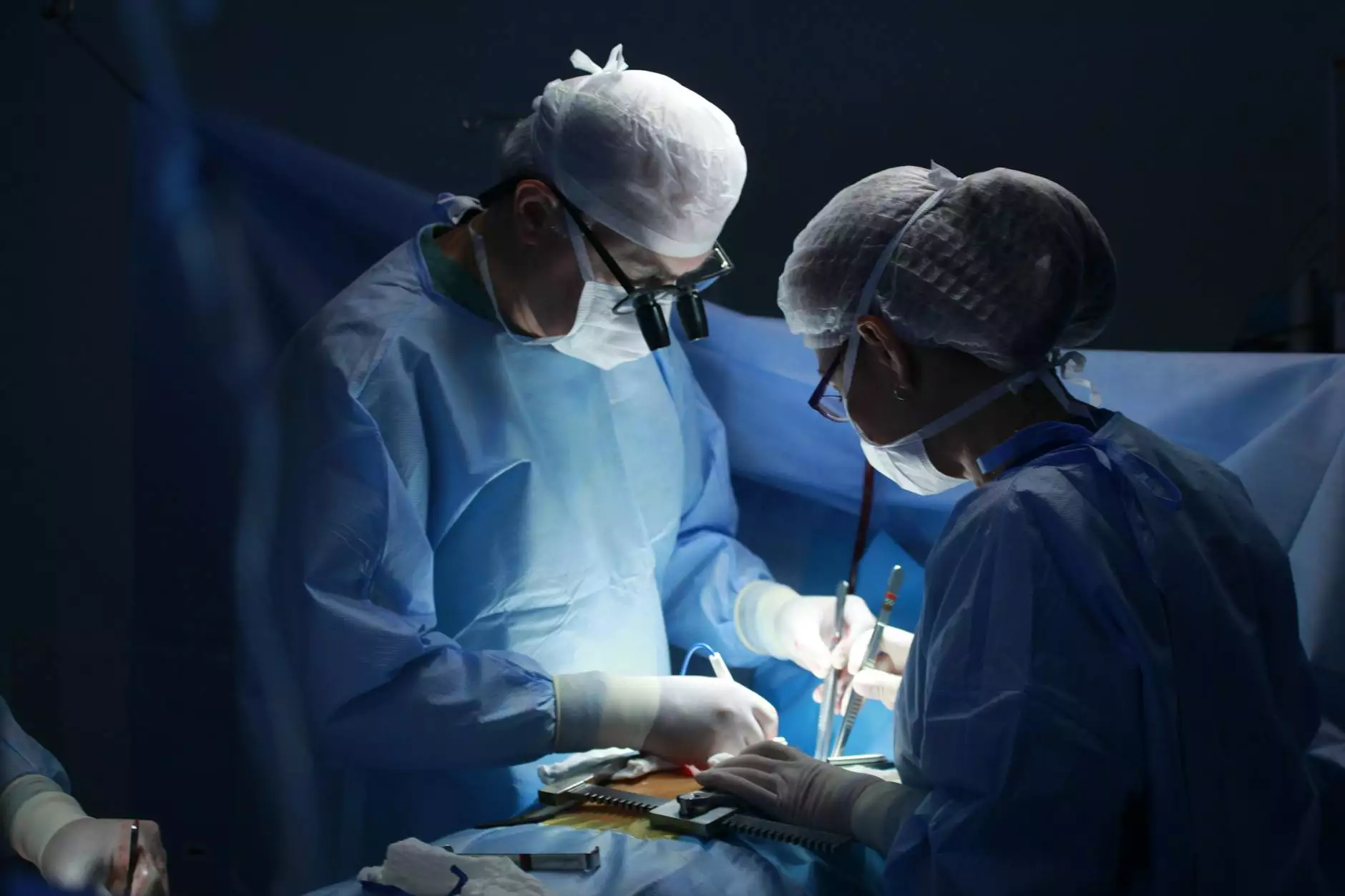
Myomectomy is a vital surgical procedure aimed at removing uterine fibroids, benign growths that can significantly impact a woman's reproductive health and quality of life. As the demand for this procedure increases, many women seek comprehensive information about the myomectomy cost and the factors influencing it. This guide provides an extensive overview of everything you need to know about myomectomy, including types of procedures, costs involved, and how to choose the right obstetrician and gynecologist for your needs.
What Is a Myomectomy?
A myomectomy is a surgical operation that involves the removal of uterine fibroids while preserving the uterus. This procedure is especially preferred by women wishing to retain fertility or avoid hysterectomy. Uterine fibroids, also known as leiomyomas or myomas, are non-cancerous growths that develop in the muscular wall of the uterus, ranging from small pea-sized nodules to large masses that distort the uterine shape.
Depending on the size, number, and location of fibroids, myomectomy procedures can vary significantly. They are typically performed by experienced Obstetricians & Gynecologists specializing in minimally invasive gynecologic surgeries, ensuring optimal outcomes and recovery.
Different Types of Myomectomy Procedures
Understanding the types of myomectomy procedures can help you better grasp the factors that influence the myomectomy cost. The main approaches include:
- Hysteroscopic Myomectomy: Ideal for submucosal fibroids protruding into the uterine cavity. Performed via the cervix using a hysteroscope, this minimally invasive technique typically involves lower costs and quicker recovery.
- Laparoscopic Myomectomy: Utilizes small incisions and a camera to excise fibroids, suitable for subserosal or intramural fibroids located outside the uterine cavity. This approach offers enhanced recovery times and is often associated with higher procedure costs due to equipment and expertise required.
- Open (Laparotomy) Myomectomy: Reserved for large or numerous fibroids, this traditional approach involves a larger abdominal incision. It tends to have higher costs due to surgery duration, hospital stay, and recovery time.
- Robotic-Assisted Myomectomy: A state-of-the-art procedure that combines robotic technology for precise fibroid removal, often leading to better surgical outcomes and faster recovery. However, it may involve higher costs due to advanced technology and specialized surgical teams.
Factors That Influence Myomectomy Cost
Numerous variables impact the overall myomectomy cost. Being aware of these can help you plan financially and choose the most appropriate treatment option. Key factors include:
1. Type and Complexity of the Procedure
As outlined earlier, the procedure type (hysteroscopic, laparoscopic, open, robotic) largely determines the cost. More complex surgeries involving larger or multiple fibroids tend to be more expensive due to extended operative time and hospital resources.
2. Size, Number, and Location of Fibroids
Fibroids vary greatly in size and position. Large or deeply embedded fibroids require advanced surgical techniques, increasing operative complexity and duration, thereby affecting cost.
3. Surgeon's Expertise and Facility Location
Choosing a highly experienced Obstetrician & Gynecologist and reputable medical facility often impacts price. Top-tier specialists with advanced technology generally charge higher but provide superior care and outcomes.
4. Hospital or Surgery Center Fees
Hospital charges, anesthesia fees, and postoperative care costs are significant components of the overall myomectomy cost. Location and quality of healthcare facilities also influence these prices.
5. Preoperative and Postoperative Care
Preoperative evaluations, imaging tests, medications, and postoperative follow-up visits are integral to safe surgery and recovery, adding to the total cost.
Cost Range for Myomectomy Procedures
Typically, the cost of myomectomy procedures can range from $5,000 to $20,000 or more. The variation depends heavily on the factors previously discussed. Here is a detailed breakdown:
- Hysteroscopic Myomectomy: $3,000 – $8,000
- Laparoscopic Myomectomy: $7,000 – $15,000
- Open Myomectomy: $10,000 – $20,000
- Robotic Myomectomy: $12,000 – $25,000+
While these figures offer a general idea, it is essential to consult with your healthcare provider to obtain precise estimates based on your individual case and location.
Why Choose Expert Obstetricians & Gynecologists for Your Myomectomy?
Choosing an experienced and skilled Obstetrician & Gynecologist at a reputable facility like DrSeckin.com ensures not only the best surgical outcome but also a nurturing and personalized approach. Expert surgeons bring the following advantages:
- Precision and Safety: Advanced surgical skills reduce risks and improve recovery.
- Customized Treatment Plans: Tailored procedures based on fibroid characteristics and patient health.
- Access to Cutting-Edge Technology: Robotic and minimally invasive methods for less pain and quicker return to daily activities.
- Comprehensive Pre- and Postoperative Care: Ensures safety, monitors recovery, and addresses concerns promptly.
Maximizing Value: How to Effectively Manage Myomectomy Cost
While the financial aspect is important, quality should never be compromised. Here are strategies to ensure you receive the best value for your investment:
1. Seek Reputable Specialists
Research credentials, experience, and patient reviews of potential surgeons. Leading clinics like DrSeckin.com offer top-rated gynecologists specializing in fibroid surgeries.
2. Verify Insurance Coverage
Check whether your health insurance plan covers myomectomy procedures, especially if medically necessary. Understanding your coverage helps avoid unexpected expenses.
3. Compare Multiple Treatment Centers
Obtain detailed estimates from several facilities to assess costs, services included, and postoperative care options.
4. Understand All Included Costs
Ensure the quote covers the entire process, from preoperative tests to anesthesia, facility fees, and follow-up visits.
The Importance of Postoperative Care and Recovery
Recovery after myomectomy is a critical phase that influences long-term health outcomes. Comprehensive postoperative care includes:
- Pain Management: Adequate medication and rest to facilitate healing.
- Monitoring for Complications: Watching for signs of infection, bleeding, or other issues.
- Follow-up Appointments: Ensuring complete recovery and addressing any concerns promptly.
- Lifestyle Adjustments: Recommendations for activity, diet, and hormonal health to support healing.
The Role of Advanced Technology in Cost-Effective Myomectomy
Modern surgical techniques like laparoscopic and robotic-assisted myomectomy not only improve patient outcomes but also may be cost-effective in the long run. They typically:
- Reduce hospital stay durations
- Minimize postoperative pain and complications
- Accelerate return to normal activities
- Lower overall recovery costs despite higher initial procedure expenses
Conclusion: Making an Informed Decision About Your Myomectomy
Understanding the myomectomy cost and the factors that influence it empowers you to make the best choice for your reproductive health and financial considerations. Opting for experienced Obstetricians & Gynecologists at renowned clinics like DrSeckin.com ensures access to cutting-edge technology, personalized care, and exceptional outcomes. Remember, investing in expert care ultimately leads to better health, peace of mind, and a quicker return to your normal life.
We encourage you to consult directly with specialized gynecological surgeons to receive tailored estimates and treatment plans. Your health and well-being are invaluable, and the right expert can make all the difference in achieving optimal results from your myomectomy.