The Transformative Power of Business in Neuroscience
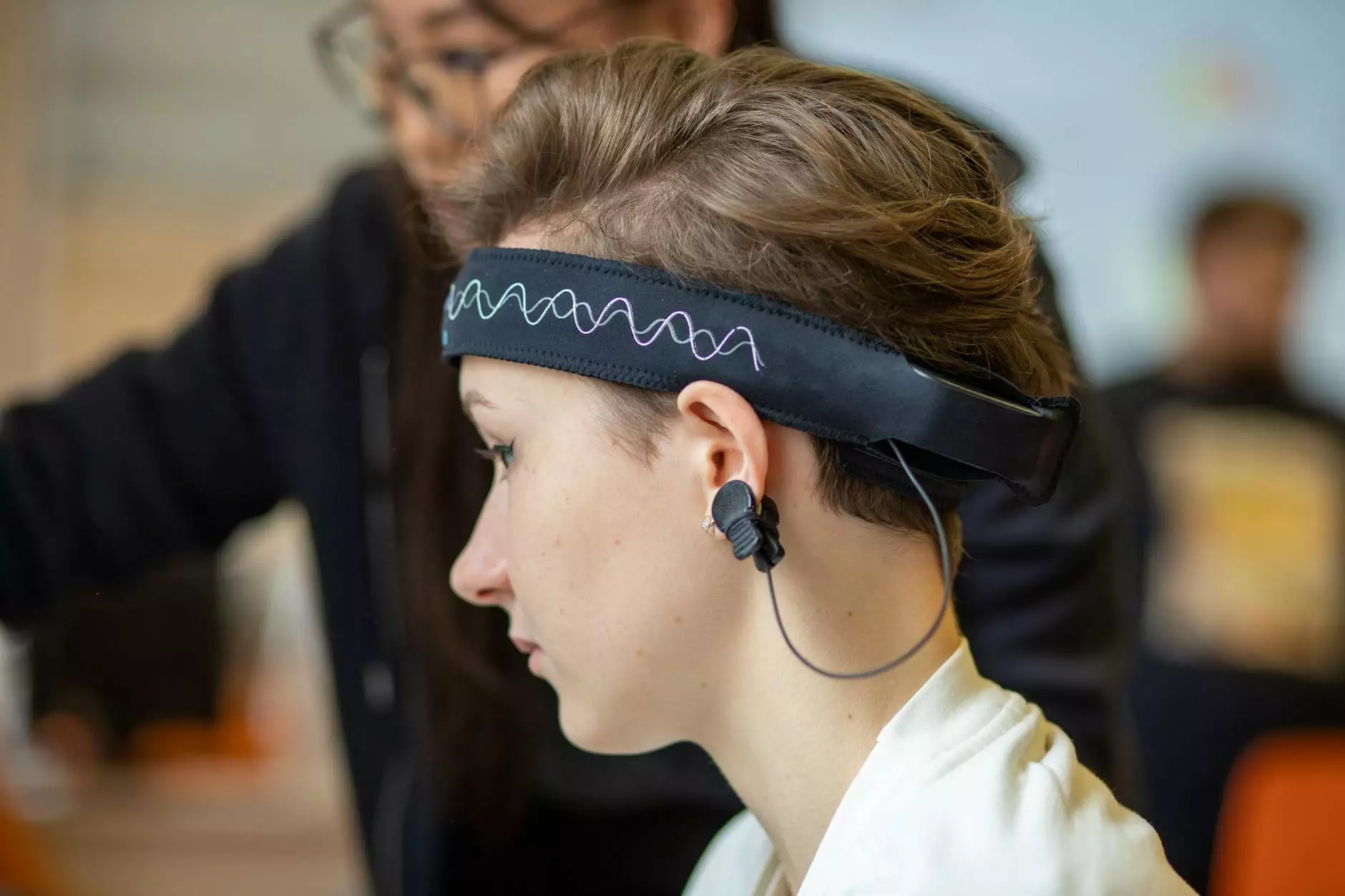
In today's rapidly evolving landscape, the intersection of neuroscience and business has become a focal point of innovation and growth. From enhancing employee well-being to increasing productivity and fostering an inclusive corporate culture, understanding the principles of neuroscience can revolutionize how organizations operate. At Mindcare Neuroscience, we delve into the profound impact that neuroscience can have on business practices and mental health.
Understanding Neuroscience: A Gateway to Better Business
Neuroscience is the scientific study of the nervous system, encompassing a vast range of topics including brain structure, function, and behavior. This burgeoning field has significant implications for businesses, particularly in understanding how environments influence mental health and productivity.
The Brain's Role in Decision Making
Decision-making is fundamental to any business operation. Neuroscience reveals that decision-making processes are deeply rooted in emotional and cognitive responses. By leveraging insights into how our brains function, businesses can refine their decision-making strategies. Understanding the triggers of motivation and emotional responses allows leaders to craft an environment that fosters positive outcomes.
Enhancing Employee Well-Being
The mental health of employees is crucial for a company’s success. Studies indicate that companies with a strong focus on mental health see decreased turnover rates, lower absenteeism, and increased productivity. Implementing neuroscience-based initiatives can greatly benefit an organization. Here are several approaches:
- Workshops and Training: Providing training sessions that focus on understanding stress responses and cognitive function helps employees manage their mental health.
- Mindfulness Programs: Encouraging mindfulness meditation and stress-reduction techniques can enhance focus and overall well-being.
- Flexible Work Environments: Designing workspaces that account for the psychological needs of employees, such as quiet zones, can reduce stress and promote creative thinking.
Boosting Productivity through Neuroscience
Productivity isn't just about working harder; it’s about working smarter. Neuroscience offers insights into how to create conditions that maximize productivity. Here’s how:
1. Understanding Attention and Focus
Research suggests that multitasking can significantly hinder productivity. Neuroscientists emphasize the importance of focused attention in achieving peak performance. By fostering an environment that minimizes distractions, organizations can enhance employees' ability to concentrate and perform effectively.
2. Utilizing Feedback Mechanisms
Positive reinforcement is crucial for motivation. Businesses can implement regular feedback sessions that not only assess performance but also recognize achievements. This approach not only boosts morale but also aligns individual objectives with company goals.
3. Creating a Culture of Learning
A culture that encourages continual learning and development capitalizes on the brain's ability to adapt and grow—a concept referred to as neuroplasticity. Encouraging employees to acquire new skills and knowledge fosters both personal and professional growth.
Building a Strong Organizational Culture
An organization's culture is often seen as its backbone. Neuroscience research has shown that a healthy corporate culture significantly impacts employee engagement and satisfaction.
Fostering Trust and Collaboration
Trust is fundamental in the workplace. Neurobiological research indicates that when employees feel safe and valued, their brains release oxytocin, often referred to as the “trust hormone.” Building strong interpersonal relationships fosters a collaborative environment.
Promoting Diversity and Inclusion
Incorporating diverse perspectives catalyzes innovation. Neuroscience highlights the advantages of diverse teams, which are more likely to approach problems from various angles, leading to better solutions. Emphasizing an inclusive workplace can significantly enhance creativity and problem-solving capabilities.
The Future of Business and Neuroscience
The potential that lies at the intersection of business and neuroscience is profound. As organizations continue to evolve, integrating neuroscience principles into corporate strategy will prove essential. Here are several trends to watch:
1. Increased Adoption of Neuroscience in Leadership Training
Future leaders will likely rely heavily on neuroscience to improve their decision-making processes and emotional intelligence. Training programs that incorporate these concepts will become commonplace, refining how leaders engage with their teams.
2. Focus on Mental Health Resources
As awareness of mental health grows, organizations will invest more in resources that support employee well-being. Innovative tools and programs focused on mental health will be integral parts of corporate strategy.
3. Enhanced Work-Life Integration
With the growing importance of work-life balance, businesses will need to create flexible environments that respect personal boundaries while maximizing productivity. Neurophysiological studies reinforce the need for balance to foster creativity and prevent burnout.
Conclusion
Incorporating neuroscience into business practices creates transformative opportunities for growth, well-being, and productivity. As organizations like Mindcare Neuroscience continue to lead the charge, understanding and harnessing the principles of the brain will undoubtedly shape the future of work. By prioritizing mental health, fostering inclusive cultures, and leveraging science-backed strategies, businesses can unlock new levels of success and employee satisfaction.
Embracing the wisdom of neuroscience is not just a trend but a necessity for organizations committed to thriving in the modern landscape. As more businesses recognize this critical link, the potential for positive change is limitless.
https://www.mindcareneuroscience.com.au